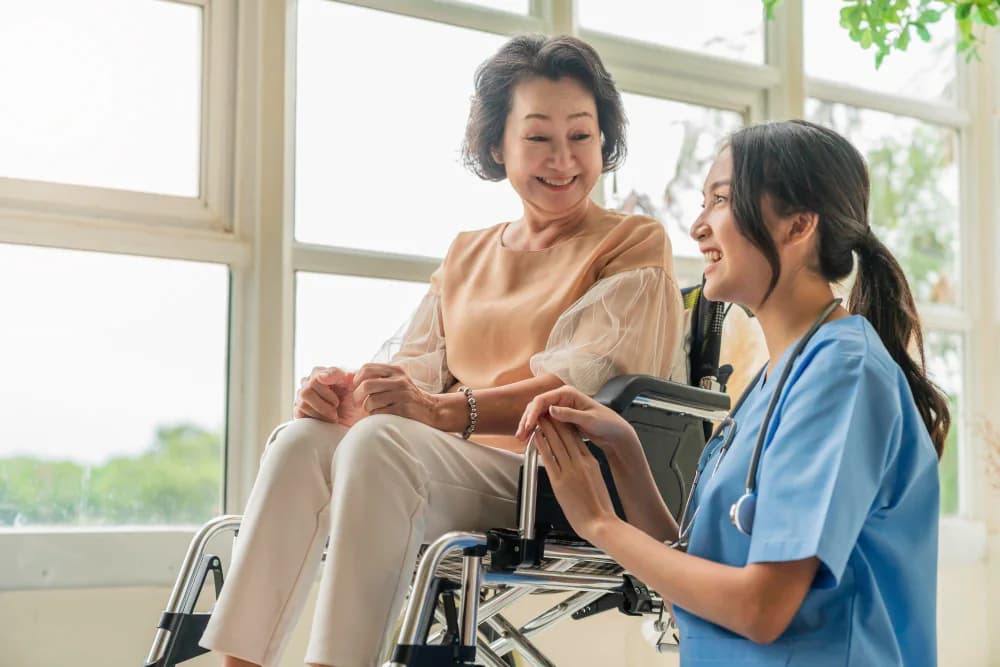
Post-Surgical Recovery
Wound care, medication control and complication monitoring in the weeks that decide how well you heal.
Learn more
What We Do
Clinical care, rehabilitation and daily support — delivered by licensed, screened, bonded and insured staff, with someone on call every hour of the year.
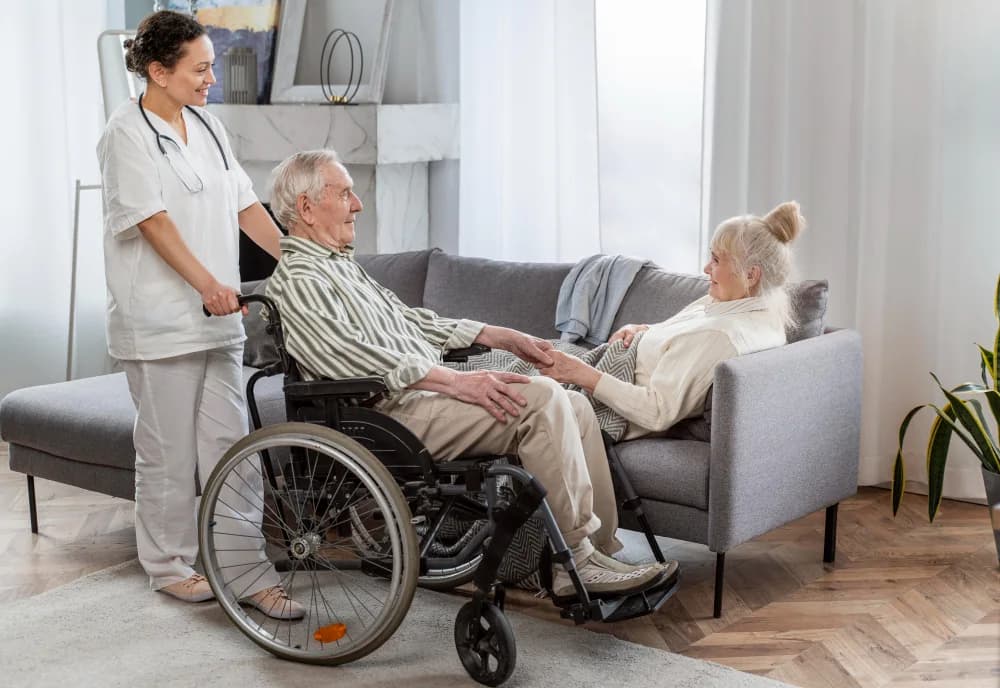
24/7
On call, every day of the year
9
Care disciplines under one plan
17
Insurance plans accepted
100%
Licensed, bonded and insured staff
Clinical care, rehabilitation and daily support. Most people need two or three of these coordinated — not nine separate arrangements.
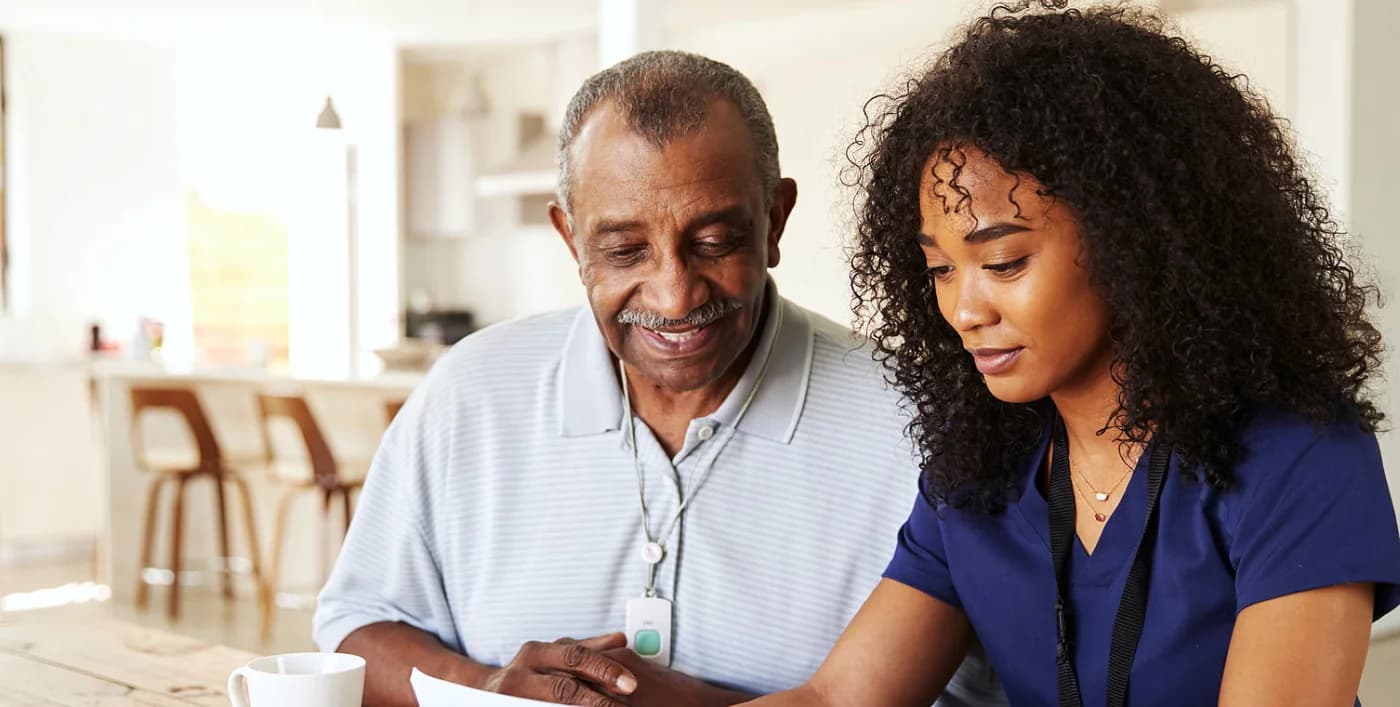
A registered nurse writes your care plan and reports back to your physician, so nothing gets lost between the hospital, the specialist and the pharmacy. That coordination is most of the value. Wounds get looked at on schedule, medication changes get caught, and a clinician who knows your history is the one deciding what needs escalating.

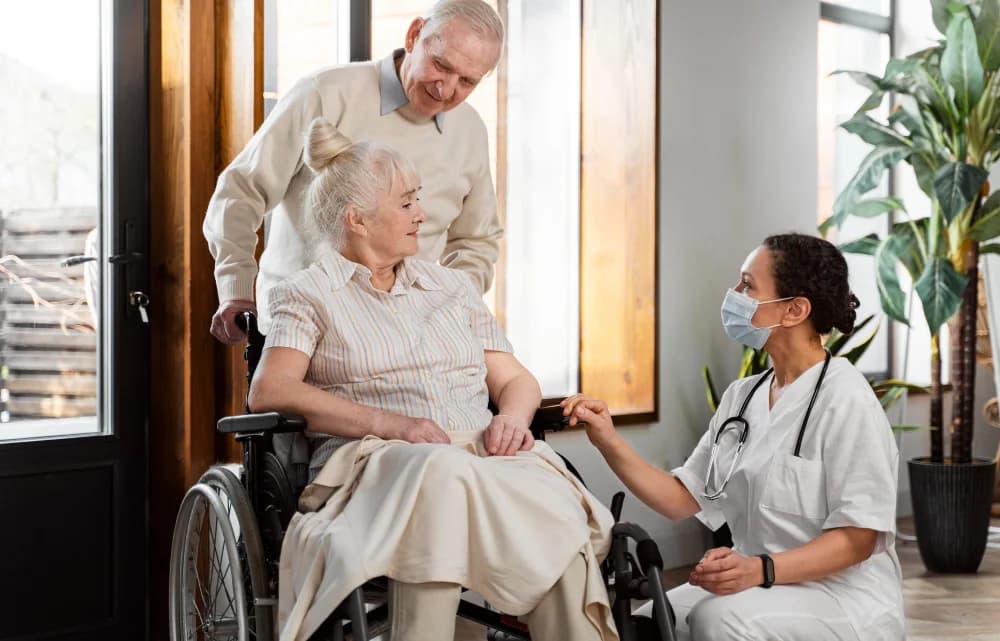
The tasks that decide whether someone can stay at home are rarely dramatic. Getting into a bath safely, dressing without exhaustion, a kitchen that stays usable. Our aides handle those, and they are trained to notice the small changes — a new bruise, less appetite, a bit more confusion — and report them before they become the reason for an ambulance.
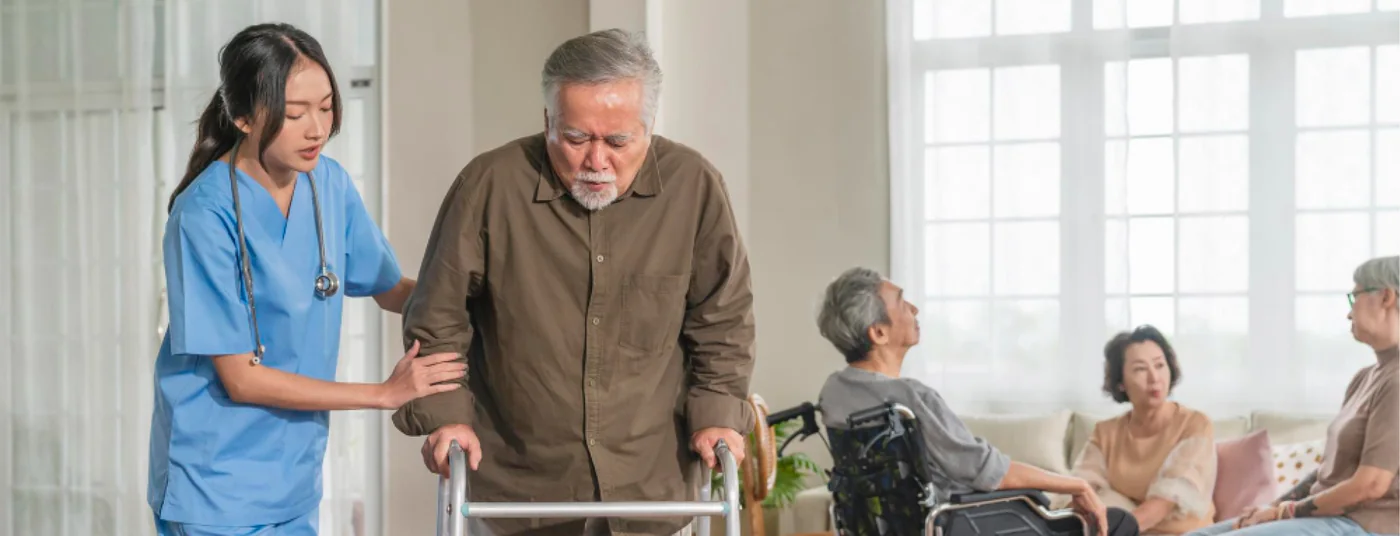
Progress made on clinic equipment does not always transfer to your own staircase. Our therapists work in your home, using your actual doorways, your actual bathroom, your actual front step. What you gain, you keep — because you have already practiced it where it counts.
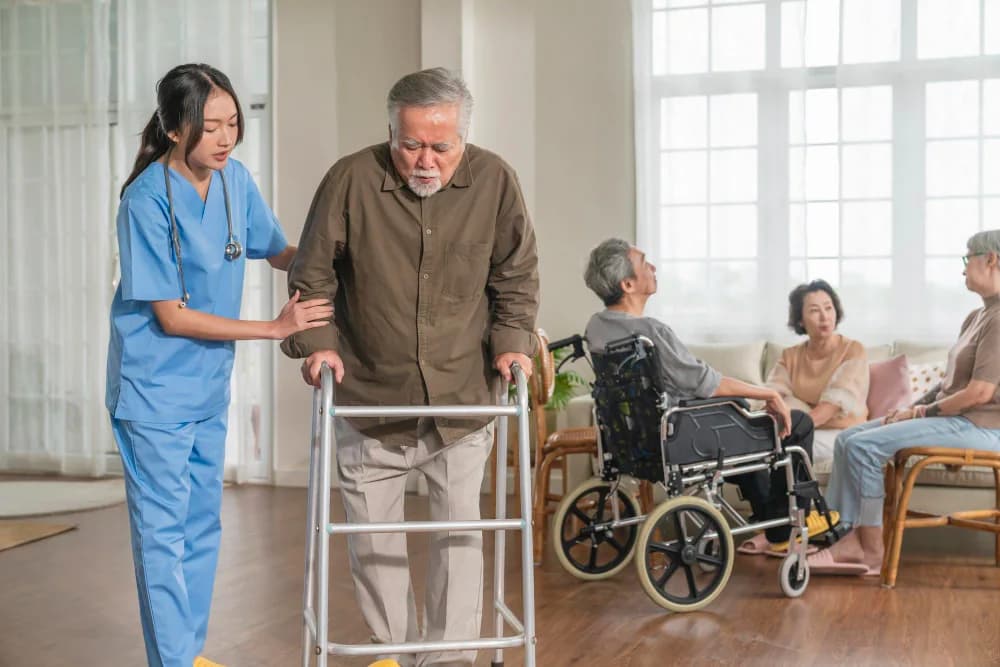
Occupational therapy is about the tasks nobody thinks about until they become difficult. Buttoning a shirt. Standing long enough to cook. Getting out of a chair without help. Our therapists rebuild those skills and adapt the home around what you can do now, so independence is realistic rather than aspirational.
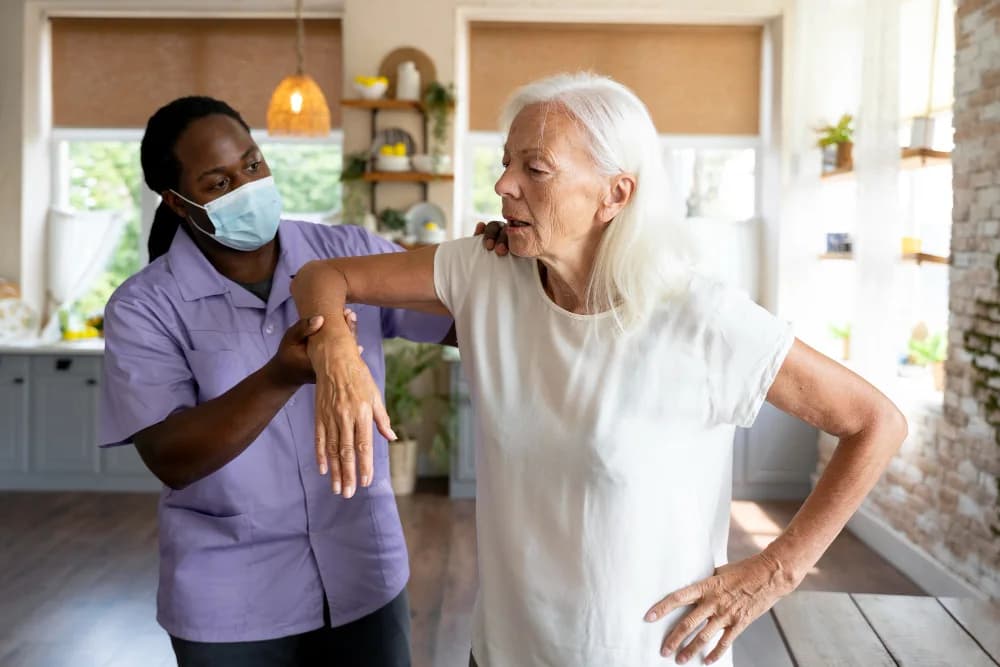
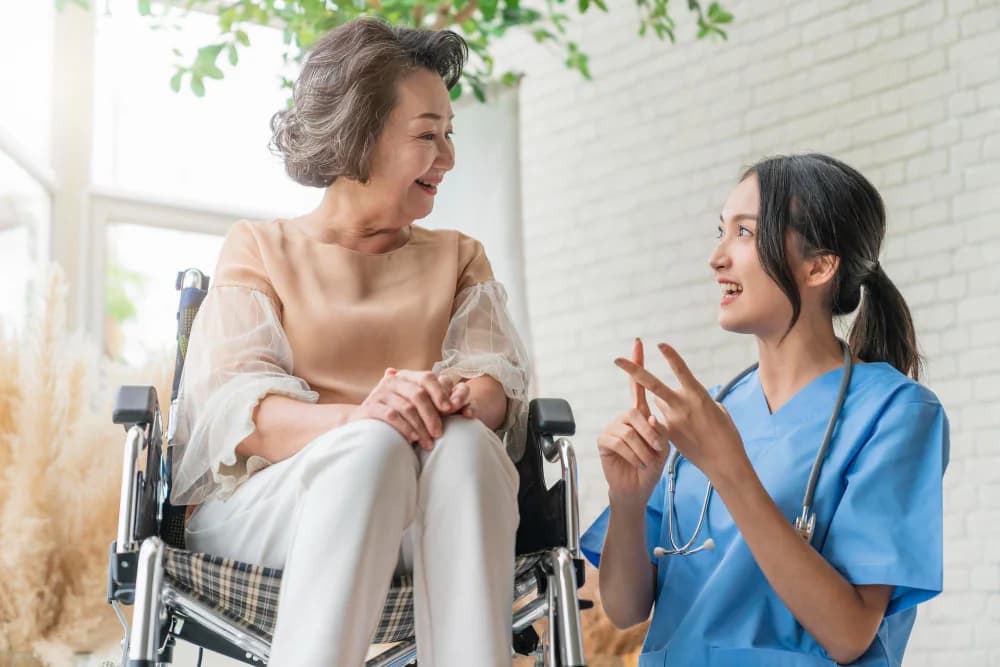
Losing words is isolating. Losing a safe swallow is dangerous, and it is often missed because the signs look like fussiness at the table. Our speech-language pathologists assess both, treat both, and train the family in techniques that make mealtimes safe again.
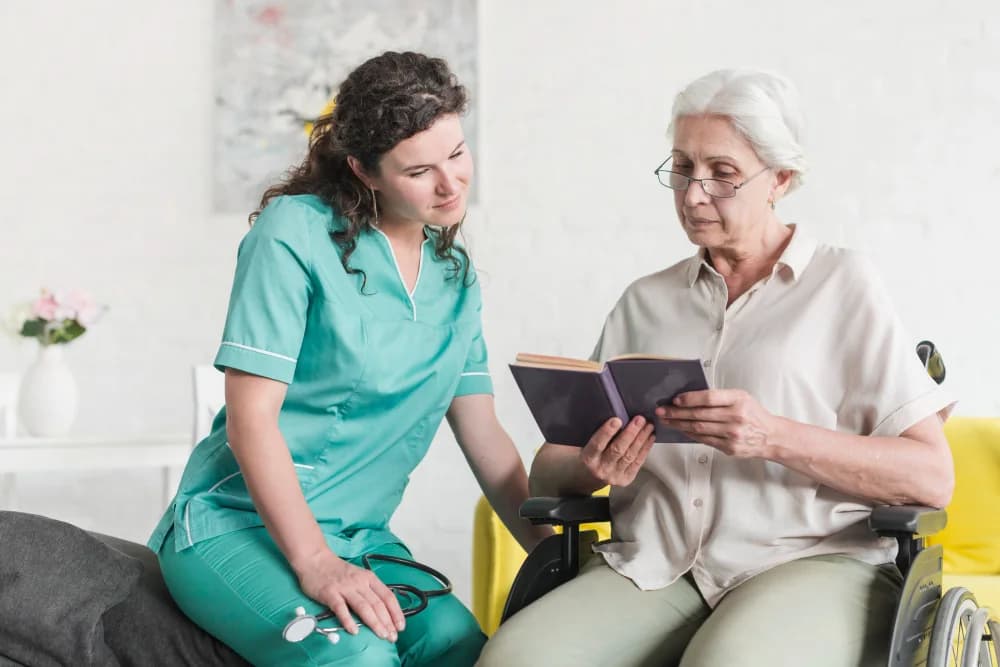
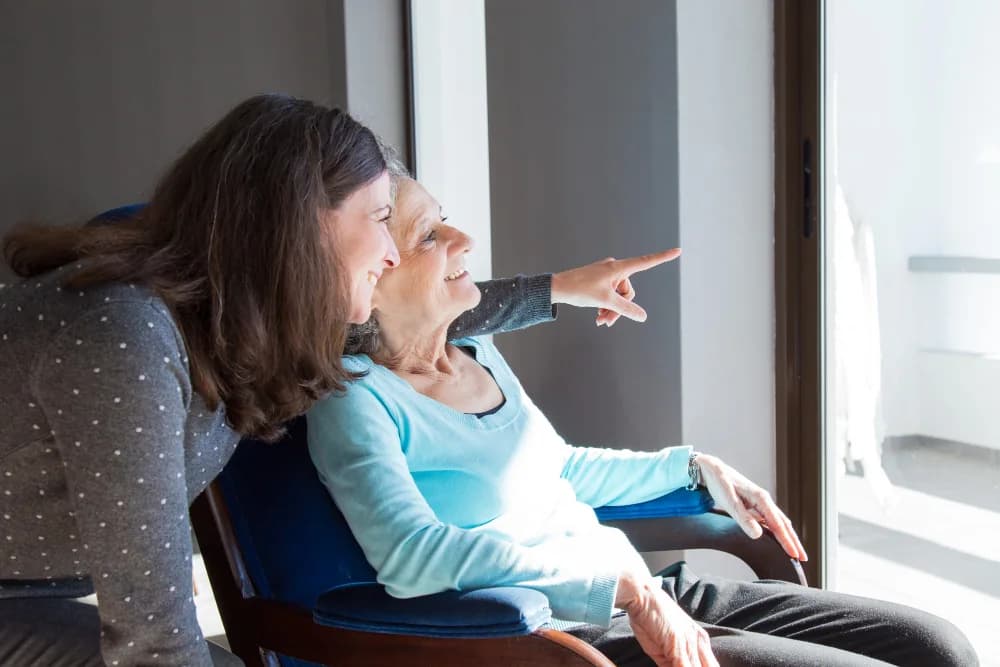
Loneliness is not a soft problem. It shows up as missed medication, skipped meals and decline that nobody catches in time. A companion who arrives on a predictable schedule gives the day a shape, gets someone to their appointments, and gives family members far away a reason to stop worrying at 11pm.
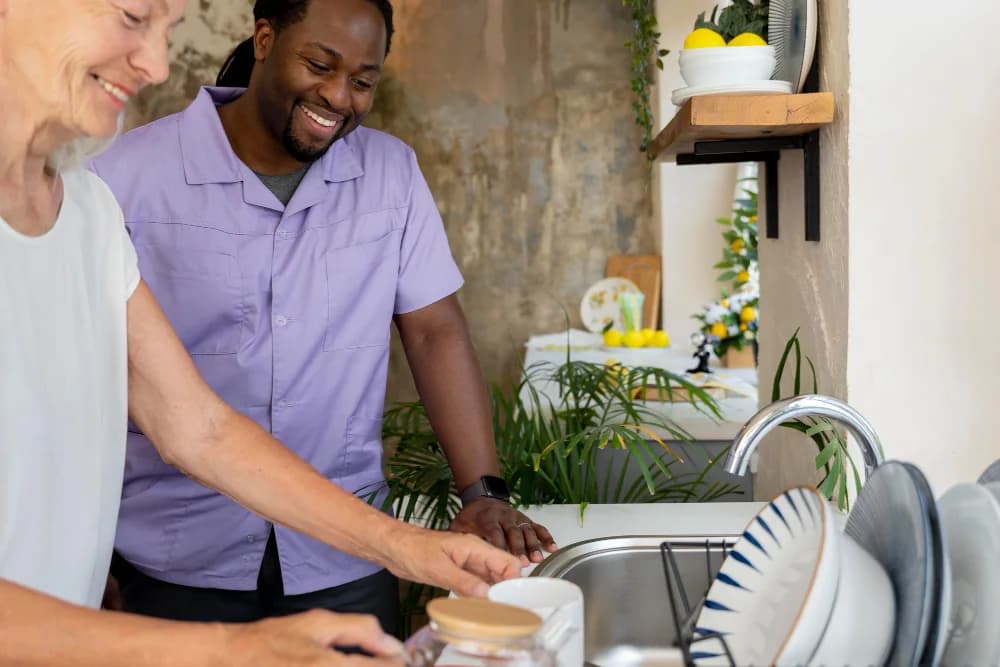
A home that has quietly stopped being managed is one of the earliest signals that someone needs support — and one of the easiest to put right. We handle the cleaning, the laundry, the shopping and the meals, which removes both the hazard and the daily sense of falling behind.
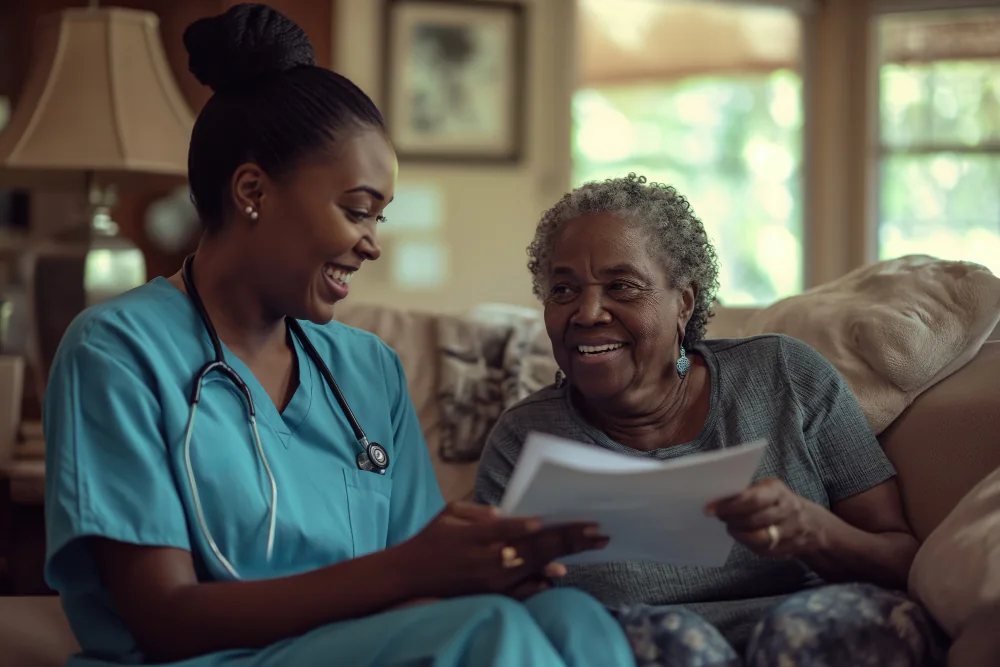
Most people leaving hospital come home with more prescriptions than they went in with, written by people who never spoke to each other. Duplications, interactions and doses taken at the wrong time cause a large share of avoidable readmissions. We put one nurse across the whole list and keep it accurate as it changes.

Family caregivers hold most of the system together and are the part of it nobody monitors. Burnout in the primary caregiver is one of the most common reasons a placement into residential care finally happens. Booking regular cover is not a luxury; it is what keeps the arrangement sustainable.

The Joint Commission accredits most American hospitals. Earning their Gold Seal of Approval meant an independent surveyor arrived unannounced and audited our clinical records, infection control, staff credentials and patient safety systems against national standards. We passed — and we have to keep passing.
A benchmark we were measured against, not a claim we made about ourselves.
Each page sets out the signs worth acting on, what the care plan covers, and what happens after you call.
Wound care, medication control and complication monitoring in the weeks that decide how well you heal.
Learn moreCoordinated physical, occupational and speech therapy that keeps progress moving after the hospital stops.
Learn moreBalance and strength work, plus a hard look at the home itself, before the fall rather than after.
Learn moreConsistent monitoring for diabetes, COPD, heart failure and hypertension — so flares get caught early.
Learn moreRoutine, safety and practical technique for people living with dementia — and real support for the family.
Learn moreLicensed speech therapy for communication difficulty and for the swallowing problems that families miss.
Learn moreStructured support through the window where readmissions are most likely and most preventable.
Learn moreBathing, dressing and daily routine — handled in a way that protects dignity as much as safety.
Learn moreSymptom relief and family support during serious illness — alongside treatment, not instead of it.
Learn moreEvery situation is different, and most people cannot tell from a website which service fits. That is our job, not yours. Getting started takes two steps:
Email us to schedule a call back, and we will help work out what you actually need.
Call us to arrange an in-home evaluation. We will discuss how we can assist and find a time that suits you.
Four steps, no surprises, and nothing billed before you have seen the plan.
Tell us what has actually become difficult. No forms first, no commitment, and no obligation at the end of it.
A nurse or therapist visits and looks at how you really live — your stairs, your bathroom, the medication on your counter.
Written around your recovery, your insurance and your schedule. We verify your coverage before anything begins.
On a set schedule, with the same people wherever we can, and someone reachable at any hour.
We verify your specific coverage before care begins, so nothing arrives as a surprise later. If your plan is not listed, call us — it is worth checking.
Not sure which of these you have? Call us and we will verify it for you.
Joint Commission AccreditedTell us what has become difficult and we will arrange an assessment at a time that suits you.