

By City Healthcare Services, Inc. · 5 min read
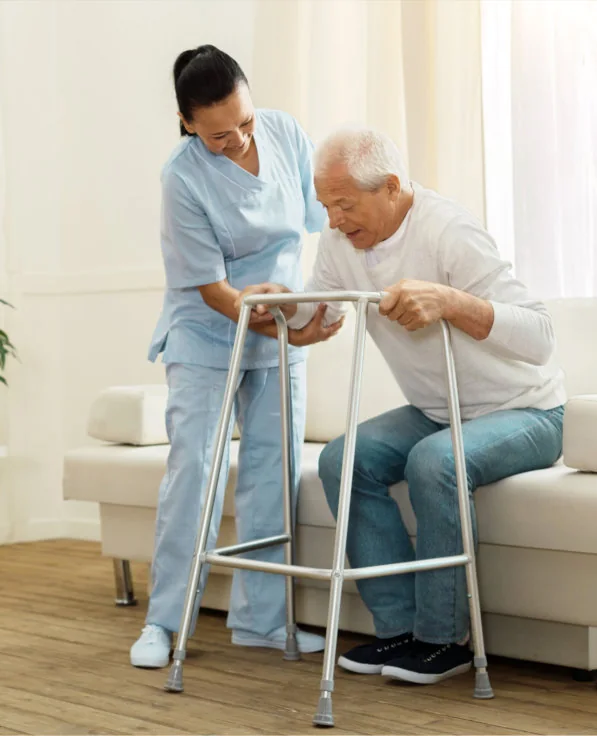
Most falls do not happen on ice or unfamiliar stairs. They happen in the bathroom, the hallway and the bedroom — rooms people have moved through safely for thirty years, right up until the point they could not. That familiarity is precisely the problem: nobody assesses a room they stopped looking at decades ago.
The good news is that most of what makes a home dangerous is cheap and quick to fix. Here is what actually moves the needle.
Deal with the floor first
- Remove throw rugs entirely — securing the edges is a compromise, taking them up is a fix
- Tape down or reroute any cable that crosses a walking path
- Clear the routes between bed, bathroom and kitchen and keep them clear
- Replace worn or curling carpet edges, particularly at thresholds
The bathroom deserves disproportionate attention
Hard surfaces, water and awkward movements make this the highest-risk room in the house. Grab bars beside the toilet and inside the shower are the single highest-value change you can make, and they must be screwed into structure — suction-cup versions give false confidence and come off under load. A non-slip mat, a shower seat and a raised toilet seat handle most of the rest.
Light the route to the bathroom
A large share of falls happen at night, on the way to the bathroom, in the dark. Motion-activated night lights along that route cost very little and remove the need to find a switch while half asleep. Make sure there is a lamp reachable from the bed without getting up.
Look at the shoes
Slippers with no back and worn soles are involved in more falls than most people would guess. Supportive shoes with a proper grip, worn indoors, are an unglamorous fix that works. Walking around the house in socks is worth stopping altogether.
The parts a checklist will not catch
Home modifications reduce the hazard. They do not address the balance and strength underneath it — and some medications, particularly those causing dizziness or blood pressure drops, contribute more than any rug ever will.
If someone has already fallen, or has started holding onto furniture to get around, a physical therapist assessing them at home will see things a checklist cannot. That combination — fixing the environment and rebuilding the person's stability — is what actually reduces the risk.